
Halloween, Ognissanti, e Il Giorno dei Morti

October 27, 2026 03:24 PM - Comment(s) - By Michael Taverna

Discover the Traditions
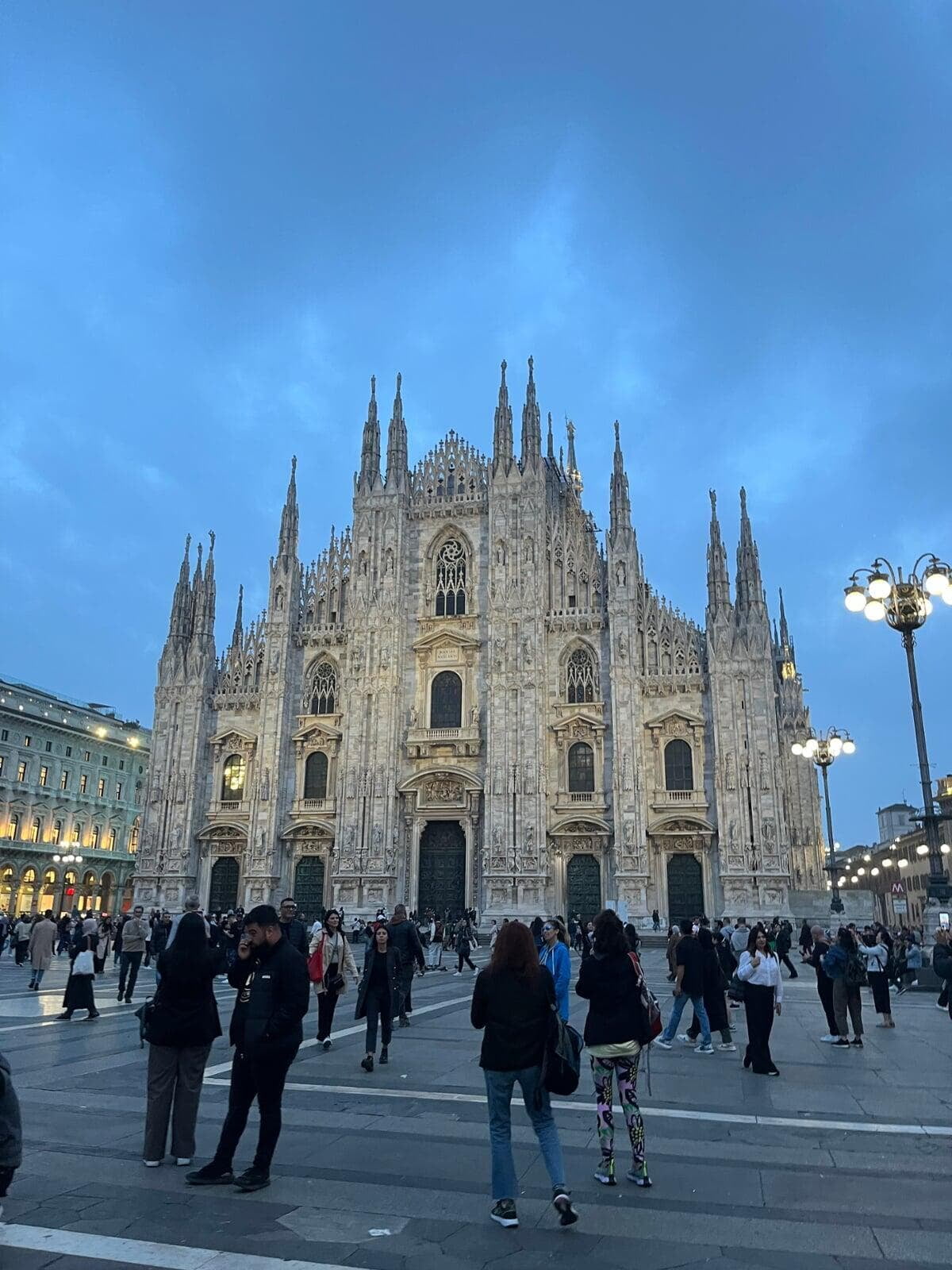
In the United States and many other countries around the world, Halloween is celebrated every year on October 31st. Rooted in ancient Celtic traditions, the holiday is marked by spooky decorations, carved pumpkins, jumbo bags of candy, and costumes for a night of trick-or-treating. While Halloween is gaining popularity in Italy, the beginning of November is traditionally reserved for two other important observances: 


        1. November 1st: Ognissanti (All Saints’ Day)
        2. November 2nd: Il Giorno dei Morti (The Day of the Dead), also known as the Commemorazione dei defunti (All Souls’ Day)

Ognissanti, or All Saints’ Day, comes from Christian tradition and is an important holiday in Italy. In simple terms, it is a day dedicated to honoring the saints of the Catholic Church, including martyrs and apostles.

Many Italians use the holiday as an opportunity to visit cemeteries where their loved ones have been laid to rest, often bringing flowers and lighting candles at their graves. One flower you'll often spot around this time of year is the chrysanthemum, or crisantemo, which is strongly associated with remembrance and mourning in Italy. But, as with many Italian holidays, traditions vary from region to region.
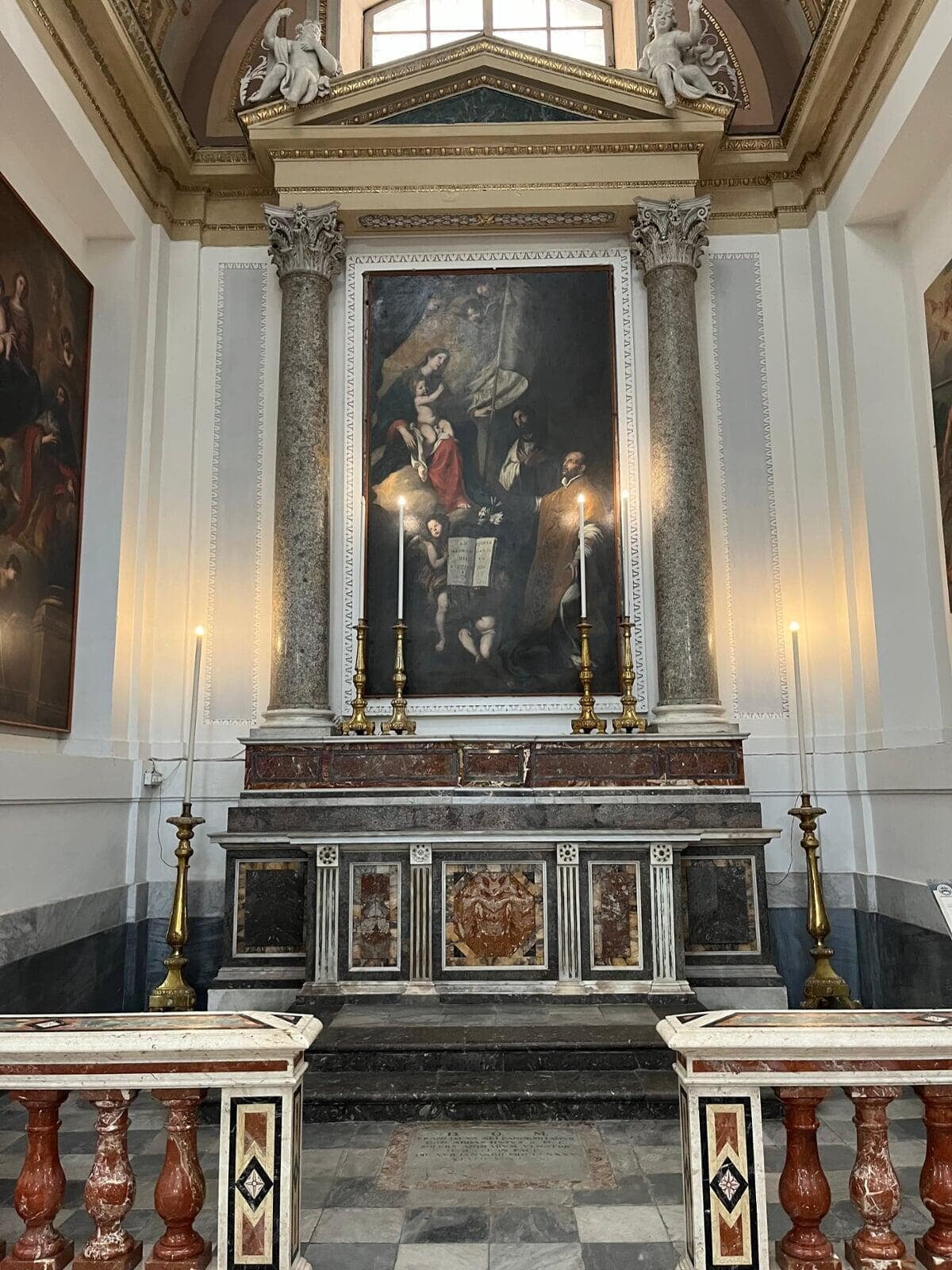

In Sicily, for example, it is believed that deceased relatives return to bring gifts and sweets to the children in their families (and, of course, the living relatives participate as well). Families buy or make traditional treats and prepare baskets of goodies for the occasion. Known in Sicilian tradition as “u cannistru ri morti”, or the basket of the dead, these collections may contain candies, dried fruit, nuts, chocolate, and small gifts. Hand painted marzipans made to look like fruits, vegetables, and other foods are extremely common in this region at this time of year. In some families, the tradition is for children to wake up on November 2 to discover the gifts their deceased relatives have (supposedly) left for them. 

The day of November 2 is spent in recognition of Il Giorno dei Morti, or All Souls’ Day. Although it is not a national public holiday in Italy, it remains an important date for many families, particularly those who follow Catholic traditions.


This holiday is dedicated to remembering all of the dead. In the Catholic church, prayer for the dead is an important task. If you’ve attended a Catholic Mass, particularly one in Latin, you may have heard the words “Memento, Domine” or in English, “Remember, Lord”, a phrase that appears in the traditional Roman liturgy.

The history behind All Souls’ Day is fascinating. According to some accounts, a monk returning from the Holy Land was driven ashore in Sicily during a storm. There, he met a hermit who told him that he could hear the cries of souls suffering in purgatory from a nearby cave. The story became associated with the establishment of All Souls’ Day.

Today, the date remains an occasion for families to visit cemeteries, bring flowers, light candles, attend Mass, and reflect on those they have lost. Although the customs may differ across Italy, the underlying meaning is the same: remembering the people who came before us, and keeping their memory alive.

Of course, just because these two observances fall around Halloween doesn’t mean you won’t hear a knock at your door in the evening, followed by the question, “Dolcetto o scherzetto?” (Trick or treat?)

Whether you're celebrating Halloween, Ognissanti, or taking part in the traditions of Il Giorno dei Morti, knowing a few Italian words will help you appreciate this time of year even more!


Here are some useful vocabulary words to know:

Ognissanti - All Saints Day
Il Giorno dei Morti - Day of the Dead 
Il crisantemo - Chrysanthemum (tip: never give this flower as a gift!)
Dolcetto o scherzetto - Trick or treat 
La zucca - Pumpkin 
Il fantasma - Ghost 

La strega - Witch 

Lo scheletro - Skeleton

Il gatto nero - Black cat 

Le caramelle - Candy

La paura - Fear

Il cimitero - Cemetery


Michael Taverna

Michael Taverna

Share -